The problem isn't that young people don't join communities
Spend five minutes on TikTok, Instagram, or Snapchat and one thing is obvious: young people are not disengaged. They follow creators, join communities, share experiences, organise events, and rally behind causes. In some ways this generation is more connected than any before it.
Yet ask many local clubs, community groups, and volunteer organisations about youth engagement and a different picture emerges. Membership is harder to sustain. Volunteer pipelines are thinner. Attendance is less predictable. The next generation can feel distant and harder to reach.
So the question gets asked: where did the young members go?
The answer is simpler than it seems. They didn’t disappear, and they didn’t reject community. They found it somewhere else.
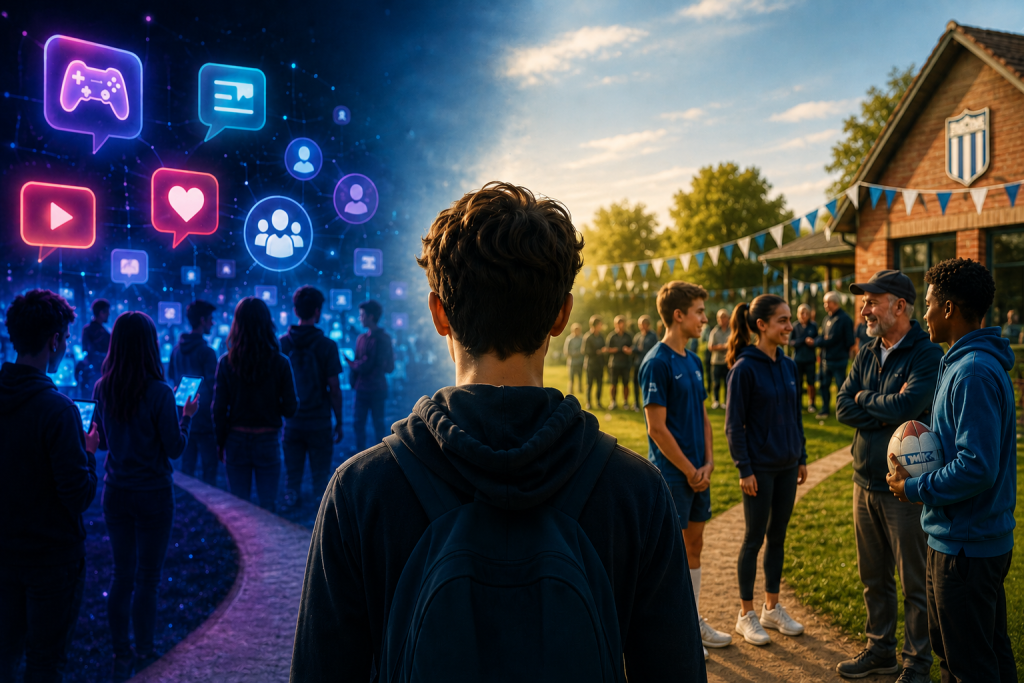
Young people still want identity, connection, and shared experience as much as any generation ever has. What has changed is where those needs get met. Previous generations found them mainly through local institutions: sports clubs, community groups, youth organisations, schools, churches. Today’s young people still take part in those spaces, but they also belong to global communities built around interests, games, creators, and causes. For the first time, a teenager can belong to communities far beyond their own postcode. That isn’t a failure of local organisations. It’s a new reality.
Competing against the best engagement platforms ever built
Community organisations often assume they’re competing with other clubs. In reality, they’re competing for attention in an entirely different environment, against platforms built by some of the most sophisticated technology companies in the world.
These platforms are designed around discovery, identity, personalisation, connection, and recognition. They make taking part feel effortless. The challenge for a local organisation isn’t that young people stopped valuing community. It’s that their expectations have shifted. People now expect communication and participation to be simple, immediate, and easy to reach.
Local community still has something those platforms cannot replace
Global platforms are brilliant at engagement, but there’s something they can’t replicate.
A teammate. A coach. A local event. A win shared with the people standing next to you.
The strongest memories are made through real participation, and that remains the greatest strength a local organisation has. The challenge is helping younger people discover and feel that value in the first place.
Meeting young people where they are
Many organisations treat youth engagement as a recruitment problem. More often, it’s an access problem.
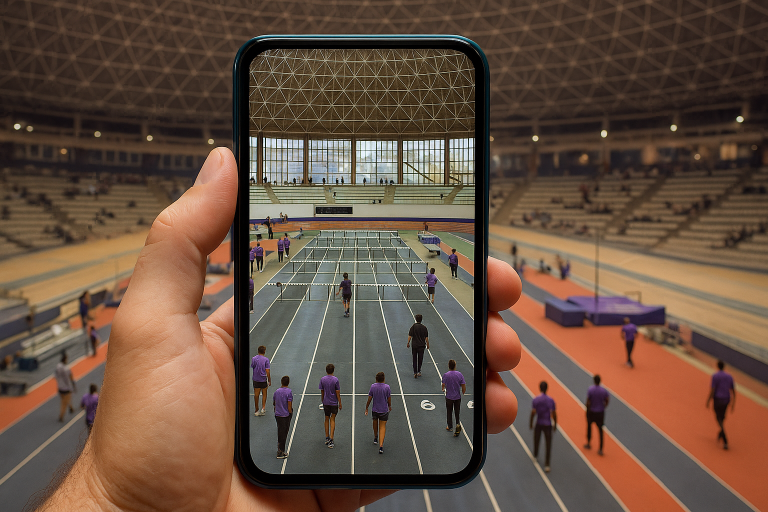
If communication happens in places young people never look, engagement drops. If information is hard to find, participation drops. If community life feels disconnected from the digital world they live in every day, getting involved becomes harder than it should be.
The organisations succeeding with younger audiences aren’t abandoning tradition. They’re modernising access, meeting young people where they already are and building pathways back into local life.
Belonging is built through participation
One of the biggest misconceptions about community is that belonging comes first.
In reality, belonging usually follows participation. People volunteer before they feel invested. They show up before they feel connected. They take part before they feel any ownership. The more chances people get to participate, the stronger their sense of belonging becomes.
This is especially true for younger generations. The organisations that thrive will be the ones that reduce friction and create more ways to get involved. Not because young people have changed, but because the pathways into community have.
The future of community is both local and digital
The future isn’t a choice between physical community and digital community. It’s both.
The most successful organisations will use digital tools to strengthen real-world participation, not replace it, and to help people feel part of something bigger than themselves. The communities that embrace that will be the ones that attract and keep the next generation.
Where SocialTies fits in
At SocialTies, we don’t think young people have lost interest in community. We think community organisations need better tools to reach them.
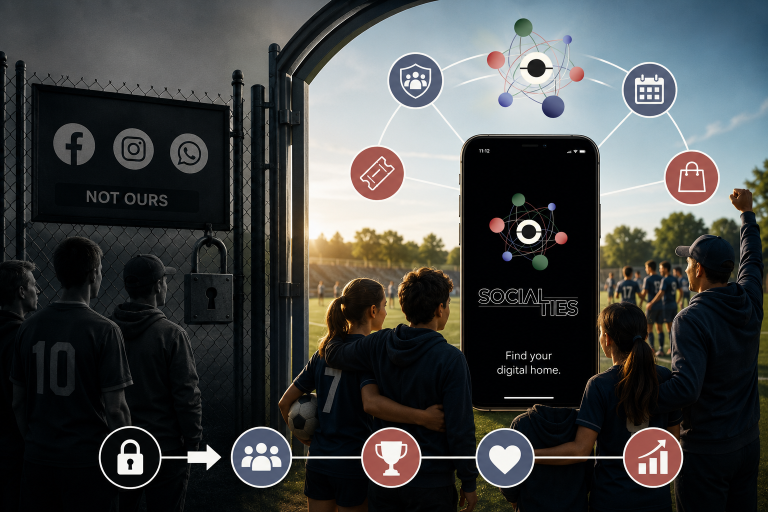
Young people are already looking for connection, participation, and belonging. The job is making local community as visible, accessible, and engaging as the digital spaces they already spend their time in. SocialTies helps clubs do exactly that: a branded digital home that makes it easier for members to discover what’s on, stay informed, support local initiatives, and stay connected, so organisations can build belonging at scale.
And because the platform is free for communities and funded by hyperlocal advertising, with half the revenue reinvested back into the community, the clubs doing this work are more sustainable for the long run. That’s what keeps them there for the next generation in the first place.
Get started
The future of community isn’t about pulling young people away from technology. It’s about using technology to help them find their way back to local life.
If you’d like to see what that could look like for your club or organisation, get in touch with SocialTies.